Perfil
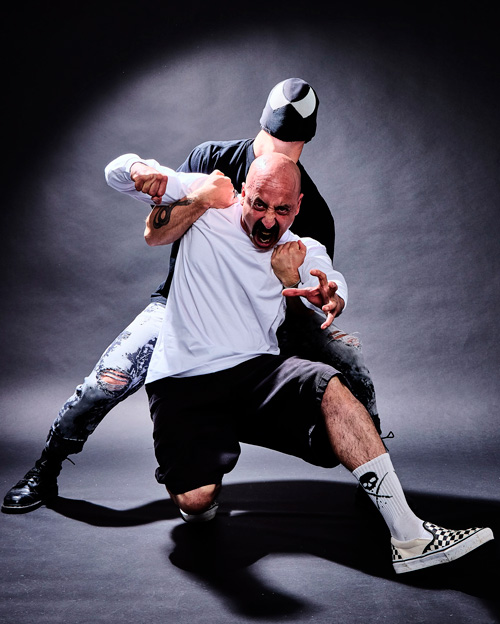
Bassano del Grappa. Northern Italy. Pretty mountains, old buildings, respectable people, and enough silence to make a young man suspicious. This is where Sir Bob Cornelius Rifo grew up. The “Sir” was self-appointed. No palace, no medal, no sword on the shoulder. Bob simply decided that Bob Rifo needed a little more authority. To be fair, it worked. This was not London, New York, or somewhere people introduced themselves as “creatives” before they had created anything. Bassano was simpler. You worked. You fixed what was broken. You kept your head down and got on with it. Dreams were allowed, technically, but nobody was going to clap because you had one. Bob understood that early. He also understood that there are two ways to survive a small town: become exactly what it expects, or build a louder exit. He chose the exit. Before the mask, the festivals, the records, the airports and the occasional piece of expensive equipment meeting a violent end, there was work. Real work. Routine, responsibility, factories, offices, deadlines, people expecting things from you and showing very little interest in your inner journey. Useful training, as it turned out, because the music business is mostly chaos wearing expensive shoes, and someone still has to finish the job. Bob had another education running alongside it: punk records, comics, street culture, nightclubs, anti-heroes, Italian subculture, people who dressed badly with enormous confidence and people who dressed brilliantly and behaved even worse. Then came Frigidaire, Andrea Pazienza, Stefano Tamburini, Tanino Liberatore and Ranxerox. Not exactly bedtime reading. Those worlds showed him that beauty did not need to be clean, violence could have design, and a character, handled properly, could become more honest than the person behind it. Which brings us to the mask. People like to overthink masks. They ask what it represents, what it hides, whether it means rebellion, anonymity, protection, mythology or trauma. The answer is probably yes. The practical answer is simpler: the face was getting in the way. So Bob removed it. In 2005, The Bloody Beetroots began. The idea was to take everything that should not have worked together and force it into the same room: punk, electronic music, classical structure, distortion, melody, club pressure, comic-book violence and the kind of rhythm that makes sensible people spill their drinks. It started as a DJ set. Officially. In practice, it behaved more like a burglary. The records came in fast, hit hard and left the room in worse condition than they found it. There was a DJ booth, but nobody involved seemed particularly interested in staying behind it. Actualmente en el #576 del ranking global de BookedDJ. También aparece en The DJ Sessions #379.
Fuentes del ranking
The DJ Sessions
#379